CNC Machining
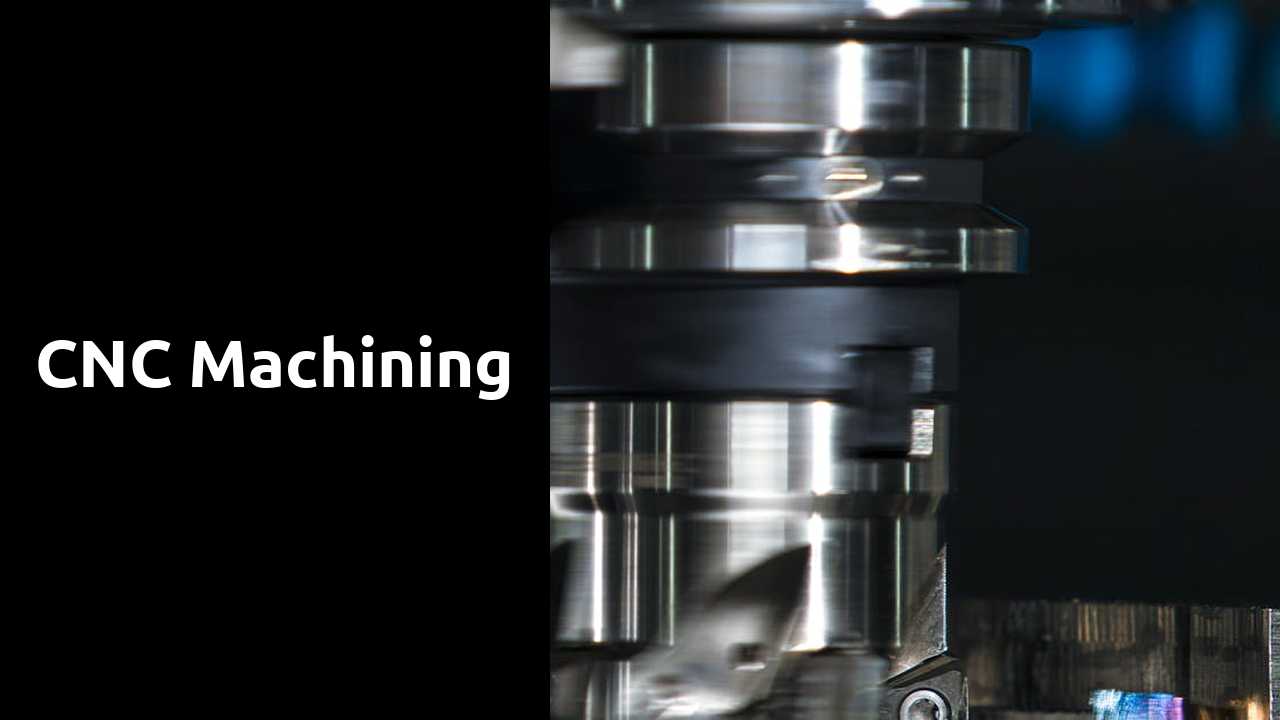
The CNC Machining Process
CNC machining involves a well-defined process that transforms raw materials into precise components. Initially, a detailed design is created using computer-aided design (CAD) software. This design serves as the blueprint for the production phase. The software translates the design into a set of instructions known as G-code, which directs the CNC machine on how to execute the required operations.
Once the G-code is generated, the CNC machine is set up with the appropriate materials and tools. The machining begins, where the machine executes the programmed operations, including cutting, drilling, and milling, to shape the part according to specifications. Monitoring during the process ensures that tolerances and quality standards are maintained. This systematic approach enhances efficiency and accuracy in manufacturing, making CNC machining a critical method in modern production.
Steps from Design to Production
The journey of transforming an idea into a tangible product starts with a precise design, typically created using computer-aided design (CAD) software. This design process allows engineers to visualize and modify dimensions and geometry before any physical manufacturing takes place. After finalizing the CAD model, it is often converted into a format compatible with CNC machines, such as G-code. This code contains instructions that guide the machine in executing specific movements, ensuring the design is accurately replicated.
Once the design is ready, the CNC machining process begins. Selecting the right materials suitable for the intended product is crucial at this stage. The machine operator then sets up the CNC machine, including loading the material and calibrating tool settings as per the specifications outlined in the G-code. This preparation leads to the actual machining phase, where the material is shaped and cut according to the predetermined design. Regular checks are performed to ensure quality and precision throughout the production process.
Applications of CNC Machining
CNC machining plays a pivotal role across various industries by enhancing precision and efficiency in manufacturing processes. Its ability to produce complex shapes from a variety of materials makes it indispensable in sectors such as aerospace, automotive, and electronics. The technology allows for rapid prototyping and mass production, ensuring high-quality components that meet stringent industry standards. This level of automation significantly reduces human errors, leading to greater consistency in the finished products.
Beyond traditional manufacturing, CNC machining is also making waves in the field of custom fabrication. Industries such as healthcare are increasingly using CNC technology to create tailored medical devices and instruments. The customizable nature of CNC machining enables manufacturers to meet unique specifications while maintaining cost-effectiveness. As the demand for precision-engineered solutions continues to rise, the applications of CNC machining will evolve, offering innovative opportunities for diverse sectors.
Industries That Rely on CNC Technology
Numerous sectors benefit significantly from the precision and efficiency offered by CNC technology. In the automotive industry, manufacturers utilize CNC machining for the creation of intricate parts with exact specifications, ensuring that every component fits flawlessly in assembly processes. Aerospace companies also capitalize on CNC capabilities to produce lightweight yet sturdy components essential for aircraft performance and safety.
The medical field relies on CNC machining for the fabrication of specialized devices, instruments, and implants that require stringent adherence to safety and accuracy standards. Furthermore, the electronics sector uses CNC technology to create intricate circuit boards and housings, facilitating advancements in consumer and industrial electronic products. These industries exemplify the importance of CNC technology in enhancing productivity and maintaining high-quality standards across various applications.
Maintenance of CNC Machines
Regular upkeep is essential for optimal performance of CNC machines. This involves routine inspections to identify wear and tear on mechanical parts. Operators should keep the machine clean and free of debris that can hinder functionality. Lubrication of moving components is crucial to reduce friction and prevent overheating. An organized maintenance schedule helps in detecting potential issues before they escalate into costly repairs.
The performance of CNC milling and turning can significantly benefit from proper maintenance procedures. Checking calibration settings on a consistent basis ensures precision in machining processes. Additionally, components like spindles, belts, and bearings should be regularly assessed for any signs of damage. Adopting best practices, such as documenting maintenance activities, creates a reliable history that aids in troubleshooting future problems. These steps contribute to the longevity and reliability of CNC machines in various production settings.
Best Practices for Longevity and Performance
Regular maintenance is key to ensuring the longevity and performance of CNC machines. Routine checks should include lubrication of moving parts, inspection of components for wear, and calibration to maintain precision. Implementing a scheduled maintenance plan helps identify potential issues before they become significant problems. This proactive approach not only extends the life of the machinery but also enhances productivity by minimizing unexpected downtimes.
Operator training is another vital aspect of maximizing CNC machine performance. Ensuring that staff members are well-trained in both the operation and maintenance of the machinery fosters a safer and more efficient work environment. Knowledgeable operators can quickly identify irregularities, optimize tool settings, and make informed decisions during production runs. Investing in ongoing education helps maintain high operational standards while positively impacting the overall output quality.
Software in CNC Machining
Designing and operating CNC machines heavily relies on various software applications that enhance efficiency and accuracy. At the design stage, Computer-Aided Design (CAD) software allows engineers to create intricate and precise models. These digital blueprints are critical for ensuring that the final product aligns with specifications. Subsequently, Computer-Aided Manufacturing (CAM) software converts the CAD models into machine-readable instructions. This transformation enables CNC machines to execute tasks with high precision based on the detailed designs provided.
Within the realm of CNC machining, several types of software play significant roles in different stages of production. Programs dedicated to simulation help in visualizing machining processes and identifying potential issues before actual production begins. Additionally, various post-processing software is utilized to generate the specific G-code required for CNC operations. These software tools contribute not only to the effectiveness of workflows but also to the overall enhancement of output quality in CNC machining.
Types of Software for Design and Operation
Various software tools and services play crucial roles in both design and operational phases. Computer-Aided Design (CAD) software is instrumental for engineers and designers, enabling them to create detailed 2D or 3D models of parts and assemblies. Programs like AutoCAD and SolidWorks provide powerful features that allow users to visualize their designs, making it easier to identify potential issues before production.
Once the design phase is complete, the next step typically involves Computer-Aided Manufacturing (CAM) software, which translates these models into instructions that CNC machines can understand. Popular CAM software options, such as Mastercam and Fusion 360, facilitate the generation of toolpaths and optimize machining processes for efficiency. These software solutions ensure precision and accuracy in production while reducing manual errors, thus streamlining the entire workflow from concept to finished product.